Strain Report: Durban Poison, the South African Landrace Behind the Dessert Era
Audio unavailable right now. Please read on below.
Key takeaways
Before Durban Poison was a menu name, it was dagga grown in the hills outside Durban, South Africa. Farmers in KwaZulu-Natal grew it for generations, around Pinetown and the Valley of a Thousand Hills and south toward Pondoland. They saved seed from the plants that did well in that heat and humidity. That's a landrace in the plainest sense. No breeder made it, the place did.

Today it's one of the few pure sativas still selling on its own name, and half the dessert category traces back to it. Here's how it got out of South Africa, why breeders wanted it, and what goes into our blend.
Strain Profile: Durban Poison
Durban Poison smells sweet and spicy. Anise and black licorice up front, pine sap and a skunky edge underneath, and a candied lemon note on the exhale that people pick out blind. The high comes on fast and clear, an up, daytime sativa without the couch lock.
Flower commonly tests in the high teens to low twenties for THC. It's also known for carrying more THCV than most strains, which is where the "diet weed" nickname comes from.
The plant grows tall. Outdoors it can top 10 feet, and indoors it will outgrow everything else in the room unless it's topped early. Big, dense colas can mold in humid weather, which says something about how well the original adapted to the KwaZulu-Natal coast.

How Durban Poison Left South Africa
Under apartheid, cannabis was illegal in South Africa, and growing moved deeper into the remote valleys. Buyers in Durban knew the local flower was far stronger than the compressed imports.
The usual story credits Ed Rosenthal, the cannabis author and columnist, with getting Durban seed to the US in the late 1970s. One telling has him finding South African seed stock being sold in Amsterdam. Either way, he shared it with Mel Frank, the grower and author he wrote the early grow guides with, and it went into California gardens.
California growers found a problem right away. The South African plants finished too late for a Northern California fall. So breeders started selecting the earliest-finishing plants, year after year, until they had a Durban that could finish before the rains.
Sam the Skunkman, David Watson, carried Durban genetics to the Netherlands in the early 1980s. Dutch breeders kept pushing the same traits: earlier flowering, stable plants and a consistent nose. By the mid-1980s Durban Poison was in Dutch seed catalogs. Most Durban sold today descends from that selection work.
As for "Poison," nobody knows who named it. The common story says early smokers called it poison because of how strong it was. Whether that came from local growers, travelers or smugglers is anyone's guess.
Why Breeders Wanted It
Sativas are usually slow. Durban Poison, after all that selection, finishes in about 8 to 9 weeks, which is unusual for a pure sativa. Breeders got a fast, clear, up high in a plant that didn't need a long season. That made it one of the most useful sativa parents of the '80s and '90s.
Its best-known cross came later. Crossed with OG Kush in California, Durban became one side of Girl Scout Cookies. GSC went on to parent Sunset Sherbet, Gelato, Wedding Cake and most of the dessert category. Durban also turns up in Cherry Pie, usually listed as Granddaddy Purple crossed with Durban Poison.
Durban Poison Doesn't Wash
Hash makers want sandy resin, heads that break off clean and dry. Durban Poison has greasy resin. Touch the plant and your gloves come away greasy right away, because the trichomes are bursting. A cultivar like that won't make hash without solvents, however good the plant is.
So the plants that never wash are the ones whose flavor can't be captured solventless. For Durban Poison, a terpene blend built to its profile is how that anise and licorice nose gets into a cart.
What Terpenes Are in Durban Poison?
Our Durban Poison is built on five terpenes: beta-caryophyllene, terpinolene, myrcene, nerolidol and trans-beta-ocimene.
Beta-Caryophyllene
Botanical sources: black pepper, cloves, rosemary, hops
The peppery warmth under the licorice. It's one of the few terpenes known to bind directly to CB2 receptors in the endocannabinoid system.
Terpinolene
Botanical sources: apples, cumin, lilacs, tea tree
Fresh and woody with a citrus edge, the bright top people connect with old-school sativas like Durban and Jack Herer.
Myrcene
Botanical sources: hops, mangoes, thyme, lemongrass
The earthy, musky base. It's the most common terpene in cannabis.
Nerolidol
Botanical sources: jasmine, ginger, tea tree, citrus peel
Woody and softly floral, and it gives the blend its rounder middle.
Trans-Beta-Ocimene
Botanical sources: mint, parsley, basil, mangoes
Sweet and green, a little woody, and it lifts the top of the blend.
How Durban Poison Runs in a Vape
Terpinolene, myrcene and ocimene are the lighter, more volatile terpenes in the blend, so the citrus and the sweet green lead on the inhale. Caryophyllene and nerolidol are heavier, and the pepper and woody floral carry through on the exhale. Our suggested starting point for vapes is 7 percent inclusion. Ceramic coils maintain the flavor and terp profile, and cotton gets a burnt taste much quicker than ceramic.
How Does Durban Poison Make You Feel?
Reports on Durban Poison are some of the most consistent of any strain. It comes on fast, clear and energizing, with no heavy body. People reach for it in the morning, for work and for anything social or creative. Fewer people report the munchies on it than on most strains. Everybody reacts differently, and newer consumers should start slow.
Strains Similar to Durban Poison
Girl Scout Cookies
Lineage: OG Kush x Durban Poison
Flavor: Sweet and earthy with a mint finish
Available in: Cannabis Derived, Canna-Botanical, Botanical Derived
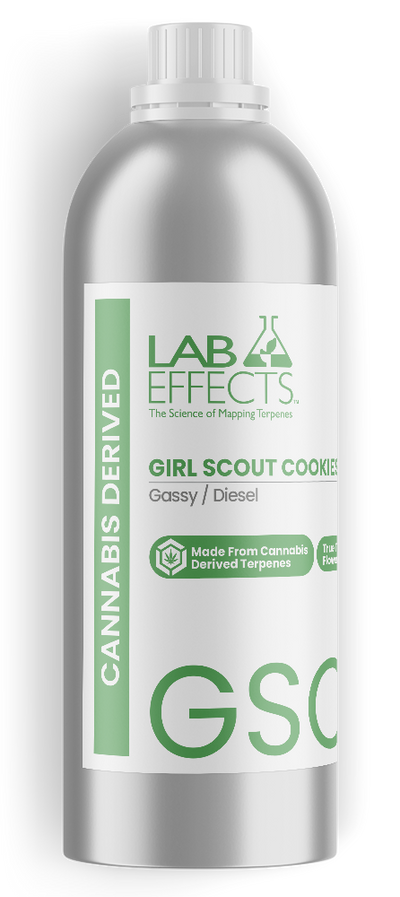
Durban's best-known cross, and the Cookies strain that started the dessert family.
Cherry Pie
Lineage: Granddaddy Purple x Durban Poison
Flavor: Sweet cherry and tart fruit with earthy spice
Available in: Cannabis Derived, Canna-Botanical, Botanical Derived
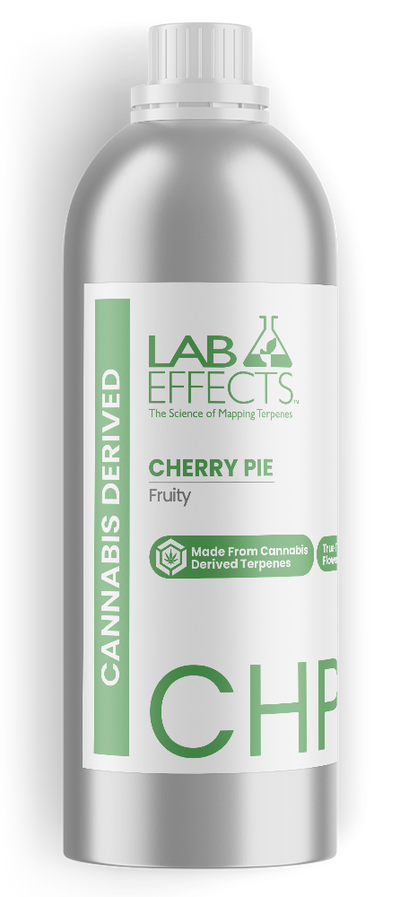
Durban crossed into the purple side of California, sweeter and heavier than its sativa parent.
Jack Herer
Lineage: Haze x (Northern Lights #5 x Shiva Skunk)
Flavor: Pine, spice and earth
Available in: Cannabis Derived, Canna-Botanical, Botanical Derived
A Sensi Seeds daytime classic that shares Durban's clear, up character and its bright terpinolene top.

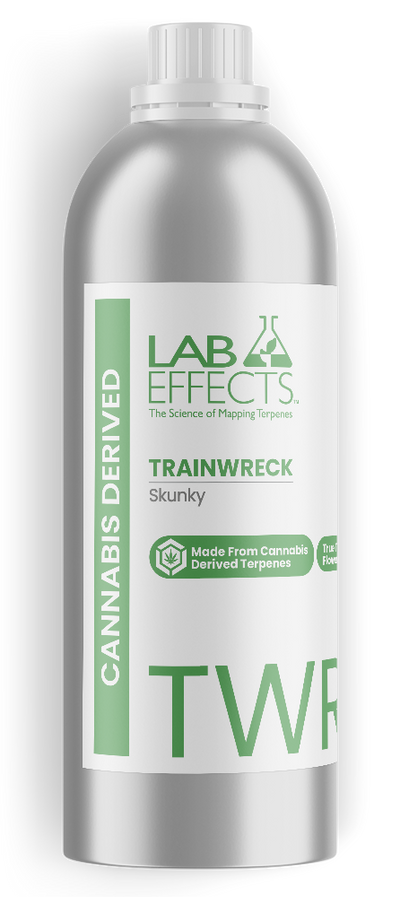
Trainwreck
Lineage: Mexican and Thai sativas x Afghani
Flavor: Lemon, pine and black pepper
Available in: Cannabis Derived, Canna-Botanical, Botanical Derived
An Arcata, California sativa from the same era, with the same fast onset.
Buy Durban Poison Terpenes
Durban Poison went from KwaZulu-Natal hillsides to California gardens to Dutch seed catalogs, and from there into the family tree of GSC. It's still the name people ask for when they want a real daytime sativa.
Lab Effects' synthetic-free terpenes bring that profile to your whole lineup, from flower to vapes to gummies. Everything is 100% natural and food grade, built True-to-Flower™ to match the real plant. Choose Cannabis Derived, Canna-Botanical or Botanical Derived, or contact our team for a custom consultation.